

Aviation Salt Removal -
Aircraft Corrosion Prevention
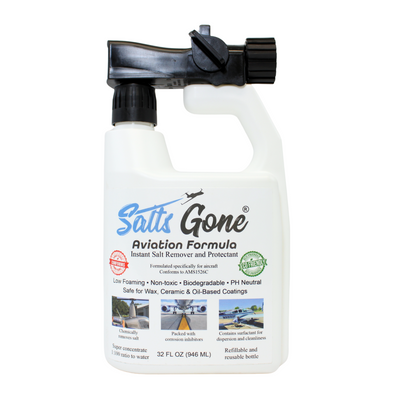
Runway deicing chemicals, coastal salt air, and winter operations corrode airframes, landing gear, and avionics. Salts Gone® removes salt contamination at a molecular level — safely and effectively on all aviation surfaces.
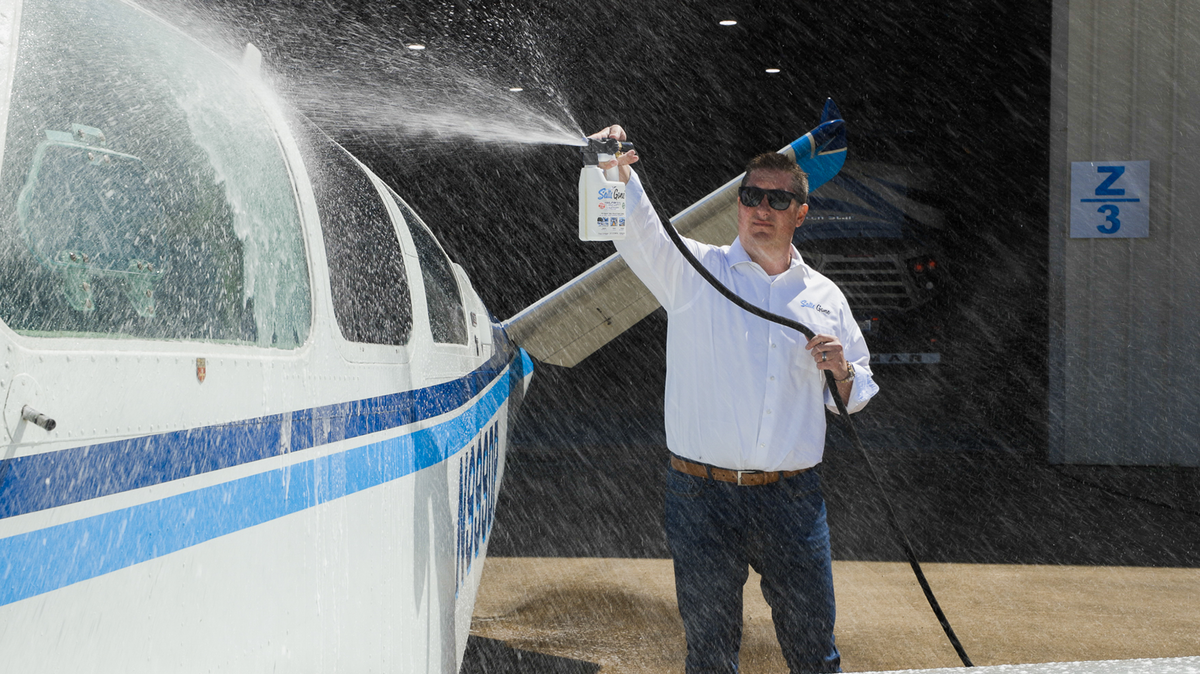
Aviation-Grade Salt Removal for Every Aircraft
From general aviation to commercial fleets, salt contamination is one of the leading causes of preventable corrosion in aircraft. Runway deicing agents, coastal operating environments, and salt-laden winter air attack aluminum skins, steel landing gear, magnesium components, and sensitive avionics. Salts Gone®’s chelation-based formula eliminates salt at a molecular level without damaging aircraft finishes, sealants, or critical components.
How Salts Gone® Protects Aircraft
Our chelation formula eliminates salt contamination from airframe structures, landing gear, and critical systems at the molecular level.
Chelating Agents
Bonds to sodium, chlorine, calcium, and magnesium ions found in runway deicing chemicals and salt air — permanently breaking these corrosive compounds apart at a molecular level, preventing future damage to airframe structures.
Corrosion Inhibitors
Corrosion inhibitors create a protective barrier on aluminum skins, steel landing gear, and magnesium castings — defending critical structural components between treatments and during storage.
Premium Surfactants
Aviation-compatible surfactants lift salt crystals and chemical residues from painted surfaces, bare metal, composite panels, and polycarbonate without streaking, etching, or damaging protective topcoats.
How Deicing Chemicals and Salt Air Damage Aircraft
Aircraft corrosion is one of the most significant maintenance challenges in aviation. The FAA estimates that corrosion-related maintenance accounts for over 25% of all aircraft structural repair costs — with salt contamination being the primary catalyst. Whether operating in coastal environments, flying through winter weather, or taxiing on deiced runways, every aircraft is exposed to corrosive salt compounds.
Runway deicing agents — including sodium chloride, calcium chloride, potassium acetate, and urea — are designed to melt ice but are extremely corrosive to aircraft metals. These chemicals splash onto landing gear, wheel wells, belly skins, and flap mechanisms during taxi, takeoff, and landing. Once deposited, they begin corroding aluminum, steel, and magnesium components within hours if not removed.
Critical Areas of Salt Contamination
- Landing gear assemblies: High-strength steel components are highly susceptible to chloride-induced stress corrosion cracking. Salt accumulation in crevices accelerates pitting and intergranular corrosion.
- Wheel wells and belly skins: Deicing spray accumulates in these enclosed areas, creating a persistent corrosive environment that standard washing cannot adequately address.
- Flap tracks and control surfaces: Salt deposits in actuator mechanisms and hinge points can impair movement and accelerate wear on critical flight control components.
- Avionics and electrical systems: Salt-contaminated moisture causes electrical shorts, connector corrosion, and degraded signal integrity in navigation and communication systems.
Why Standard Aircraft Washing Isn't Sufficient
Conventional aircraft wash procedures use detergent and water to remove surface contamination, but they cannot address salt that has bonded at a molecular level to metal surfaces. Deicing chemicals are particularly persistent because calcium and magnesium chlorides are hygroscopic — they attract moisture from the air, maintaining a corrosive film even after the aircraft appears dry. Salts Gone®'s chelation chemistry breaks these ionic bonds permanently, ensuring complete salt removal from structural surfaces, crevices, and component assemblies.
Application Methods for Aviation
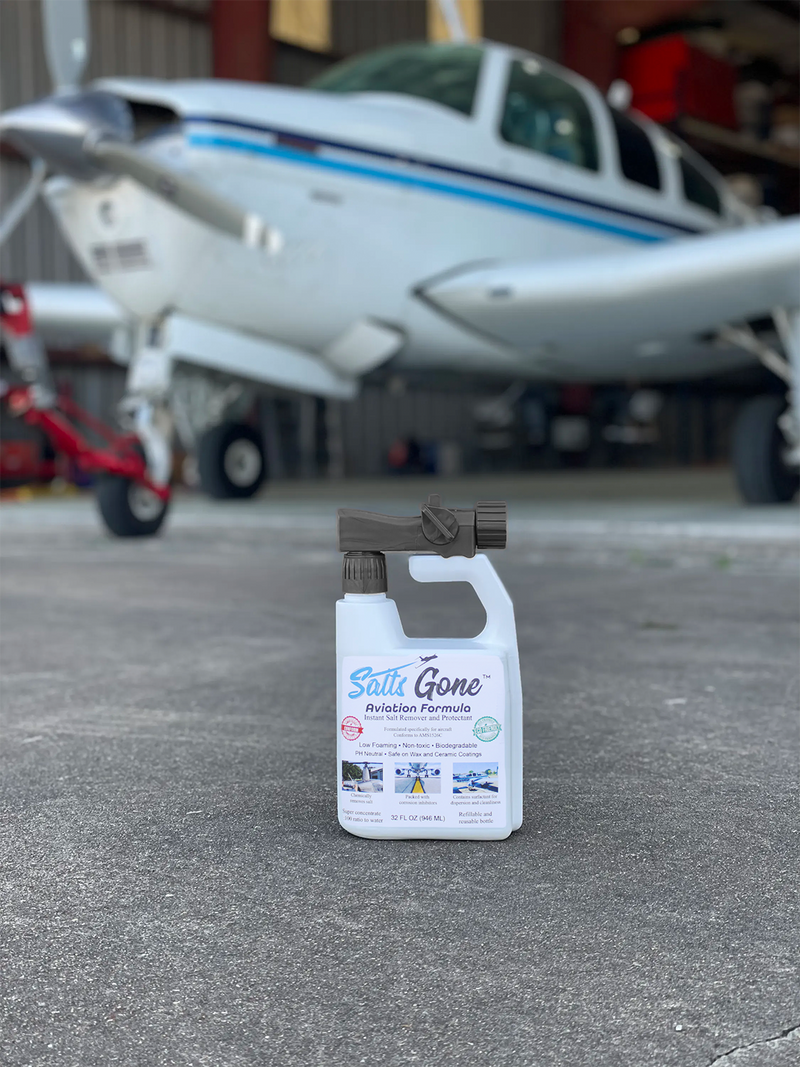
- Post-flight rinse: Use the hose-end sprayer for a full aircraft wash after operating in salt-exposed environments. Focus on landing gear, belly, and wheel wells.
- Precision treatment: Mix at 1:100 in a spray bottle for targeted application on avionics bays, connectors, pitot tubes, and antenna bases.
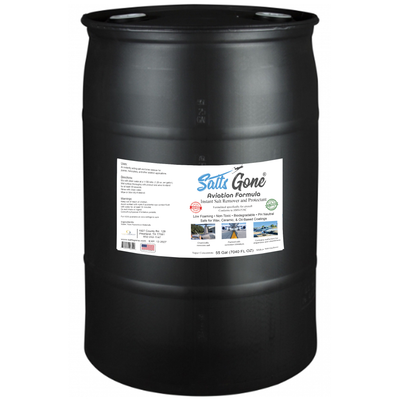
- Hangar maintenance: Include Salts Gone® in your scheduled maintenance wash program, especially during winter deicing season and for coastal-based aircraft.
Watch How It Works
Ready to Protect Your Aircraft?
Aviation professionals trust Salts Gone® to eliminate salt contamination and prevent corrosion on airframes, landing gear, and critical systems.
What Our Customers Say
Trusted by boaters, drivers, fleet operators, and homeowners across the country.
This is a must have if you live in the rust belt. I use it on my truck and tractor. It's amazing stuff.
As a coastal homeowner, we are finally able to efficiently protect our property from the corrosive environment around us.
I have been using Salts Gone on my boat and jet ski now for 2 years. Best product I have ever used. Way better than the competitors.
We use Salts Gone on our plow trucks after each snow event and are very happy with the results! Clean trucks with no salt residue left behind.
Best salt fighting product on the market. Honest advertisements unlike the competitor.
What a shocking experience! My pickup is not only showing no signs of salt, it is cleaner than it was before!
Common Questions About Aviation Salt Removal
What pilots and maintenance professionals need to know about protecting aircraft from salt and deicing chemical corrosion.